Can AI Photo Keyword Generators Protect Your Visual Brand?
Safeguard Your Visual Brand in a Faster AI World
Strong brands are built on repeated moments. The same colors, the same mood, the same type of image, over and over, so people recognize you in a split second. But as visual content explodes across social feeds, search results, marketplaces, and news stories, keeping that look and feel steady gets harder every season.
Behind the scenes, image metadata is quietly steering a lot of what people see. Titles, captions, descriptions, and keywords tell both people and algorithms what your photos mean. They guide who sees your content, when it appears, and what it sits next to. That raises a big question: can an AI photo keyword generator actually protect a carefully built visual brand, or will it blur your identity if you use it the wrong way? In this article, we will walk through hidden risks in unmanaged metadata, how AI can help or hurt, and how tools like MetadataAI can support brand-safe scaling ahead of busy campaign periods.
How Metadata Shapes Perception Before Anyone Sees Your Image
Before someone stops scrolling on your photo, a lot happens behind the curtain. Platforms read the metadata and make choices for you. Search engines scan titles, alt text, and descriptions to decide when your image joins a results page. Social platforms look at captions and tags to guess what the post is about. E-commerce systems and digital asset managers depend on keywords so teams can actually find the right shot when they need it.
If that data is off, your brand story can go sideways. For example, generic or lazy keywording might:
- Push a premium brand into searches full of bargain content
- Match a serious editorial image with casual, silly topics
- Attach your name to subjects you do not want to be known for
When an image shows up in the wrong context, people get confused. They might think you are changing direction or selling something you never meant to. Over time, these small disconnects make your visual identity feel fuzzy.
Metadata also touches three big areas you cannot ignore:
- Accessibility: people using screen readers rely on accurate alt text and captions that match your tone
- SEO: search engines reward clear, consistent descriptions that reflect what is really in the image
- Legal and reputation risk: sloppy or misleading metadata can create claims of misrepresentation or careless labeling
So the tags, captions, and descriptions you attach are not just admin work. They are part of your brand voice.
Hidden Risks of Manual and Ad-Hoc Image Tagging
Many teams still tag images by hand. It sounds simple, until the busy seasons hit. During big launches, back-to-school pushes, fall events, or holiday campaigns, everyone races to ship creative on time. Under pressure, metadata is usually the first thing to slip.
Common problems include:
- Rushed keywording: people add only a few obvious tags, or skip alt text altogether
- Inconsistent language: one person writes “teal,” another writes “blue,” another uses product code names
- Different tones: some captions sound playful, others sound formal, so your voice feels uneven
When teams in different regions or agencies invent their own tagging style, your internal libraries turn into a mess. Searching for a simple product or theme becomes frustrating. People reuse the wrong images because they cannot find the right ones, and the brand starts to look scattered.
There is also a real risk around sensitive content. Without clear guardrails, someone might pick keywords that:
- Stereotype people or cultures
- Mislabel age, gender, or identity
- Ignore internal rules on diversity and inclusion
Those choices may not be meant to harm anyone, but they still affect how your brand is seen. Manual systems make it hard to spot and fix these problems at scale.
How an AI Photo Keyword Generator Can Support Brand Safety
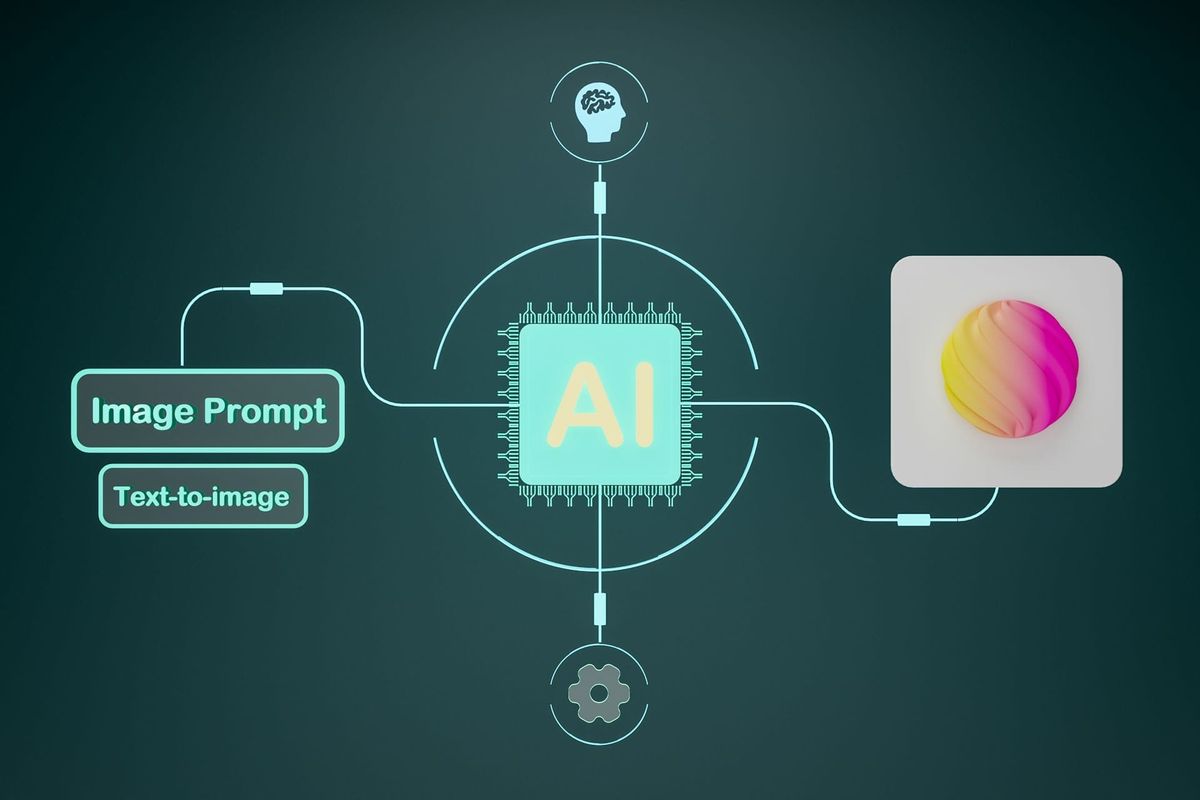
An AI photo keyword generator is built to do one thing very quickly: look at an image, understand what is in it, and suggest structured keywords, captions, and descriptions. Instead of asking every teammate to think through tags from scratch, you get a consistent starting point for each photo.
Used with care, this helps protect your brand in a few important ways:
- Shared vocabulary: the AI can lean on a standard set of terms so similar images get similar tags
- Faster, more even coverage: large libraries are labeled more fully, not just the “important” hero shots
- Lower human error: you cut down on typos, missing fields, and random one-off keyword styles
For global teams, an AI system can also keep tone and structure aligned across regions, even when people speak different first languages. That gives your visual brand the same spine everywhere, from local social posts to big national campaigns.
But AI is not magic, and it is not perfect. It can misread subtle brand cues, miss context from a campaign brief, or misunderstand cultural signs. That is why you still need:
- Human review for sensitive or high-impact images
- Approved keyword lists and banned word lists
- Feedback loops so the AI learns from corrections over time
Used as a smart partner, not an auto-pilot, an AI photo keyword generator can support brand safety instead of putting it at risk.
Building Brand-Aligned Keyword Systems with MetadataAI
This is the gap we care about at MetadataAI. Our platform is built to go beyond generic tagging and learn from the language you already use. That includes your product names, style guides, editorial rules, and the way your team normally writes about your visuals.
In a typical workflow, teams can:
- Connect a photo library, CMS, or DAM and send images straight into MetadataAI
- Get suggested headlines, captions, descriptions, and keyword sets for each asset
- Review, tweak, and approve in a tight loop, instead of writing from scratch every time
This helps marketers, photographers, newsrooms, and e-commerce teams push content faster without giving up control. You stay in charge of the final wording, while the AI does the heavy lifting of first-draft metadata.
Good governance makes this even stronger. With MetadataAI, brands can:
- Set role-based permissions so only certain people approve final metadata
- Build templates for seasonal campaigns, like standard phrases, promo tags, or recurring series names
- Add automated checks for banned words or sensitive topics, so risky terms are flagged before anything goes live
The goal is simple: keep your visual brand safe and steady while your content volume keeps growing.
Action Plan to Make AI Work for Your Visual Brand
If you are thinking about adding an AI photo keyword generator to your stack, it helps to follow a clear plan. Here is a simple path we recommend:
- Audit your current metadata: spot gaps, off-brand wording, and risky terms
- Define your core vocabulary: including brand phrases, product names, and tone rules
- Choose an AI tool that can learn from that language, not just guess from the pixels
- Set up a human-in-the-loop review stage for important content, especially during busy periods
From there, give yourself room to test and learn. Pick a focused set of images, like an upcoming fall or holiday campaign, and run a pilot. Track things that actually matter to your team, such as:
- How quickly you can prepare images for all channels
- How often teammates can find the right assets in your library
- How consistent your captions and keywords feel across regions and teams
Use those insights to refine your rules and templates. Over time, you can roll AI-supported keywording across more brands, markets, and content types, while still protecting the visual identity you worked so hard to build. With the right setup, AI becomes less of a risk and more of a guardrail for your brand story.
Get Started With Your Project Today
If you are ready to streamline your image workflows and improve how your visuals are discovered, our AI photo keyword generator can help you move faster with better accuracy. At MetadataAI, we focus on making complex metadata tasks simple so your team can stay focused on creative work. Explore how we can fit into your current process or tailor a solution for your specific needs. If you have questions or want a closer look, just contact us and we will follow up promptly.